
Ninety Minutes Matter: Why the Full Premier League Experience Tells a Different Story
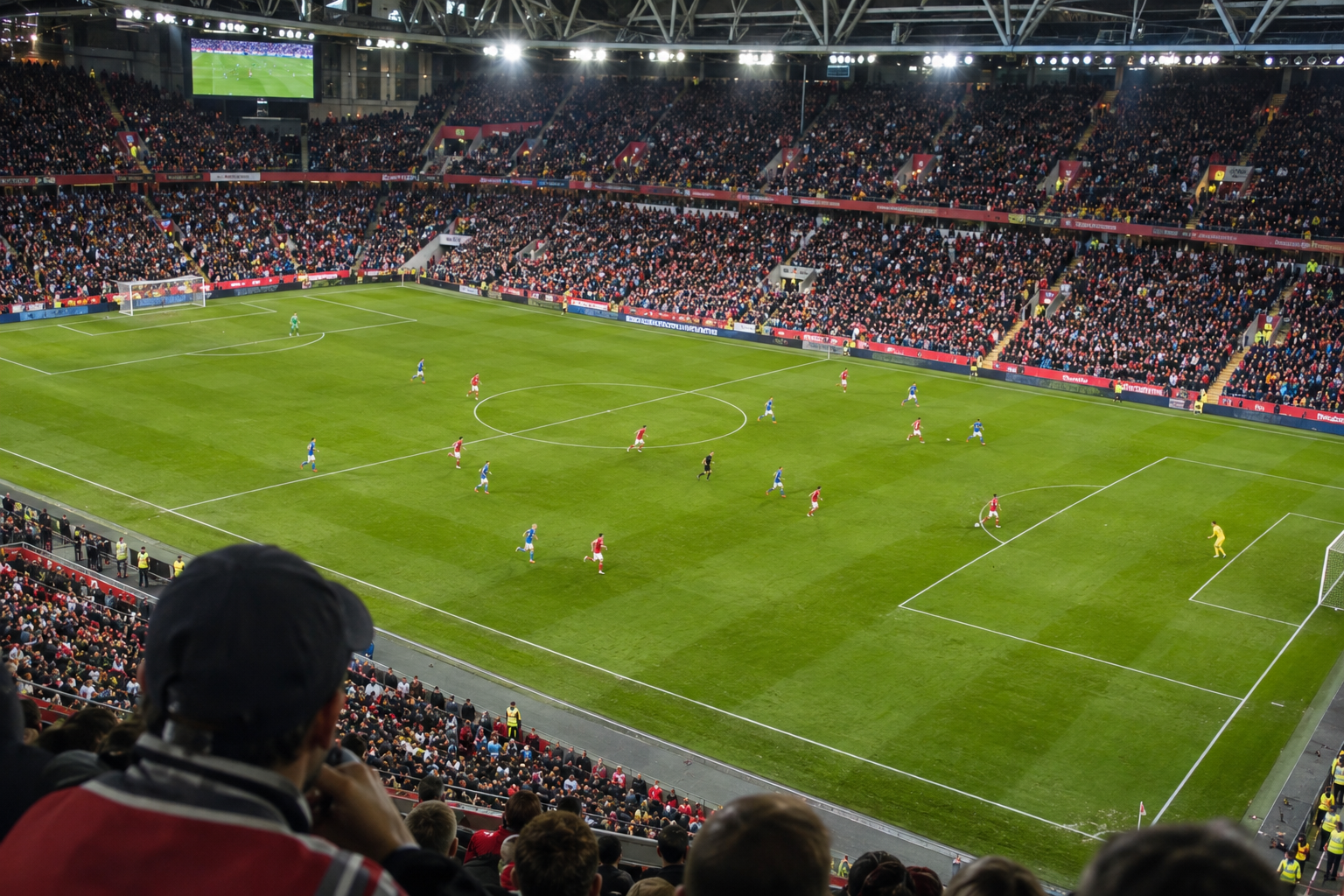
A football match is much more than the goals shown in a highlights package. Between the opening whistle and the final seconds, teams build attacking patterns, adjust their defensive structures, respond to pressure and make decisions that can change the outcome. A short video can capture the most exciting incidents, but it rarely communicates the complete rhythm of a contest. For supporters who want to experience every stage of the action, the opportunity to watch Premier League full matches offers a deeper connection with the competition and its distinctive style of football.
The English top flight is particularly rewarding when followed in full. Its matches often combine contrasting tactical approaches, intense physical battles and unexpected changes in momentum. A team can dominate possession without creating clear chances, while an opponent may remain patient before producing a decisive attack. Understanding these developments requires more than a quick look at the scoreboard.
The Rhythm of a Match Cannot Be Reduced to Its Biggest Moments
Highlights are designed to concentrate attention on the most memorable incidents. Goals, penalties, saves and controversial decisions naturally deserve a place in a short summary. However, the rhythm connecting these events is just as important to understanding how a match unfolds.
A team may spend several minutes controlling possession, moving the opposition from one side of the pitch to the other and waiting for a defensive gap to appear. Another side may respond by pressing aggressively, forcing hurried passes and trying to turn possession into immediate attacking opportunities. Neither approach is fully explained by the final scoring sequence.
Watching an entire match reveals the gradual development of these strategies. Supporters can see whether a team starts cautiously before becoming more adventurous, or whether an early setback changes its approach. The difference between a confident performance and a nervous one is often visible in passing decisions, movement and the willingness to take risks.
There is also an important distinction between controlling a game and simply having the ball. A team can enjoy a high percentage of possession without threatening the opposition’s goal. Another may spend long periods defending but remain dangerous whenever it recovers the ball. The full ninety minutes make these contrasting approaches easier to recognise.
The Premier League’s Competitive Intensity
One of the defining characteristics of the Premier League is the variety of challenges its clubs present. The competition includes teams with different budgets, squad structures, tactical philosophies and expectations. As a result, even matches involving clubs with very different positions in the table can become demanding contests.
Some teams prefer to build attacks through patient combinations and technical midfield play. Others focus on direct passing, quick transitions and the physical qualities of their forwards. High pressing is common across the competition, although managers use it in different ways depending on their players and the opponent they face.
This diversity makes every fixture a tactical problem. A side that performs well against an opponent interested in possession may struggle against a team that plays directly into space. A manager who expects to dominate the midfield might discover that the opposition has prepared a compact formation designed to disrupt central passing lanes.
The full match shows how these problems develop and how coaches attempt to solve them. It also highlights the importance of consistency. A team must maintain its organisation not only during the opening stages but also when fatigue begins to affect decision-making.
The Work That Happens Away From the Ball
Football coverage naturally follows the player in possession, but much of the game’s most important work takes place elsewhere. Off-ball movement determines whether passing options are available, whether defensive spaces remain protected and how quickly a team can respond to changes in possession.
An attacking midfielder might move towards a wide area to draw an opponent away from the centre. A full-back could advance into midfield, allowing a winger to move closer to the penalty area. These movements can create opportunities without immediately producing a pass or shot.
Defensive organisation depends on similar coordination. Players must understand when to press, when to cover a teammate and when to move together as a unit. If one defender steps forward without sufficient support, the opposition may exploit the space behind the defensive line. If the midfield remains too deep, opponents can receive the ball comfortably between the lines.
Watching a full fixture provides the time needed to notice these patterns. It becomes possible to follow individual players even when they are not directly involved in the main action. For tactically curious supporters, this is one of the greatest advantages of seeing a complete performance rather than a collection of selected incidents.
How Managers Influence the Game Over Time
A manager’s influence is not limited to choosing the starting eleven. Tactical decisions continue throughout the match as new situations emerge. The original plan may work perfectly during one period and become less effective after the opposition changes its approach.
A coach might initially instruct the team to press high, then ask the forwards to defend in a deeper shape when the opponent begins finding space behind them. Another manager may move a central midfielder into a wider position to create an additional passing option or protect a vulnerable flank.
These adjustments can be subtle. A team does not always need to change its formation to alter its behaviour. Small changes in positioning, pressing intensity or the distance between players can affect the entire structure.
Substitutions add another layer to this process. Introducing a faster forward can create problems for tired defenders, while bringing on a technically secure midfielder may help a team retain possession during the closing stages. Sometimes a substitution is designed to protect a narrow advantage rather than create another goal.
Following the full match makes these decisions easier to evaluate. Supporters can compare the team’s performance before and after a change, observe how the opponent responds and consider whether the adjustment produced the intended effect.
Individual Performances Beyond Goals and Assists
The most visible statistics in football often focus on attacking contributions. Goals and assists are important measures, but they cannot fully describe a player’s influence over ninety minutes.
A central midfielder may control the pace of the game through positioning and accurate distribution. A defender can prevent dangerous situations by anticipating passes before an opponent receives the ball. A forward may create space for teammates through intelligent movement, even if the player never appears on the scoresheet.
Goalkeepers also demonstrate qualities that become more apparent during a complete viewing. Their contribution includes communication with defenders, positioning during crosses, decisions about when to leave the penalty area and the ability to organise the defensive line.
The full context helps supporters avoid judging players solely by isolated actions. A striker who misses a chance may have spent the rest of the match creating space and stretching the opposition. A defender who makes one visible mistake may otherwise have delivered a disciplined performance under constant pressure.
This broader perspective is particularly useful when evaluating younger players. Their development can involve improvements in decision-making, positional awareness and consistency that may not be reflected in a short highlights video.
Atmosphere Is Part of the Premier League Experience
The stadium environment contributes significantly to the character of English football. Supporter traditions, local rivalries and the changing mood of the crowd can influence the atmosphere of a match from the first whistle.
At some grounds, the energy rises gradually as the home side begins to create chances. At others, a particularly intense rivalry can make every tackle and refereeing decision feel important. The reaction to a missed opportunity or a successful defensive intervention can become part of the contest itself.
A complete broadcast preserves more of this atmosphere than a short collection of clips. It allows viewers to experience the anticipation before a corner, the tension during a close defensive situation and the emotional response to a late goal.
The atmosphere also provides context for player behaviour. A home team under pressure may become more determined when the crowd responds positively, while an away side must often demonstrate concentration and composure in a challenging environment.
These details are not always reflected in match statistics, but they are an essential part of what makes the Premier League distinctive.
Understanding the Importance of Every Phase
A football match can be divided into several phases, each presenting different demands. The opening minutes often reveal the initial intentions of both teams. The middle stages may involve tactical adjustments and changes in tempo, while the closing period can become a test of concentration, fitness and emotional control.
The first phase is especially important because teams attempt to establish their preferred style. Some managers encourage an immediate attacking approach, while others prefer to assess the opponent before taking greater risks.
After the opening exchanges, patterns begin to emerge. A team might repeatedly target the space behind an opposing full-back or attempt to overload one side of the pitch. The opponent may respond by changing its defensive positions or assigning additional support to a particular player.
The final stages can be shaped by the score. A team protecting a narrow lead may defend more deeply, while the side chasing an equaliser commits additional players forward. This creates new opportunities but also increases the risk of conceding a counterattack.
Watching the entire contest makes these transitions understandable. Rather than seeing only the final result, supporters can follow the sequence of decisions that produced it.
A Better Way to Follow a Busy Football Calendar
The Premier League season moves quickly. Fixtures arrive regularly, and clubs must manage domestic competition alongside cup commitments and other responsibilities. For supporters, keeping up with every match can be difficult, particularly when several games take place close together.
A full-match viewing experience provides flexibility. Supporters can return to an important fixture when their schedule allows, follow a club’s progress and examine games that might have been missed during their original broadcast.
This can be especially useful when assessing a team’s development over several weeks. One performance may reveal a new tactical idea, while another shows whether the approach has become more consistent. Comparing complete matches makes it easier to recognise changes in defensive organisation, attacking movement and player responsibilities.
It also helps supporters follow clubs beyond the most widely discussed fixtures. Matches involving teams outside the title race can contain valuable tactical lessons, emerging talent and important battles for league position. Every fixture contributes to the broader competition.
The Value of Seeing the Whole Contest
The appeal of football lies in its unpredictability. A match can change through a moment of individual skill, a carefully planned tactical adjustment or a mistake made under pressure. These events are memorable, but they gain meaning from everything that happens around them.
A complete viewing experience preserves the connections between those moments. It shows how teams prepare, how they respond to difficulties and how individual contributions fit into a collective performance. It also provides a more balanced understanding of players, managers and the decisions that influence results.
The Premier League is at its most interesting when its matches are treated as complete sporting stories rather than a sequence of isolated highlights. The opening exchanges, quiet tactical battles and dramatic final minutes all contribute to the outcome.
For supporters who want to understand the competition in greater depth, watching the full match offers something that a brief summary cannot replace: the opportunity to experience the game as it develops, with every adjustment, setback and breakthrough forming part of the same story.